

Explore SabeeApp's guides and other resources

The SabeeApp resource library

Ten in-depth guides on the areas hoteliers ask us about most, the systems that run your operations, the software categories worth comparing, short-term rentals, regional requirements and marketing. Written by the hospitality specialists who build the software hoteliers run every day.

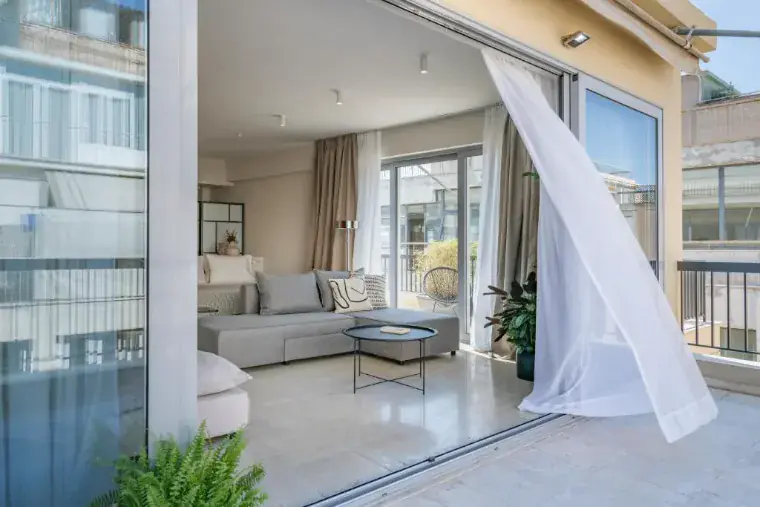
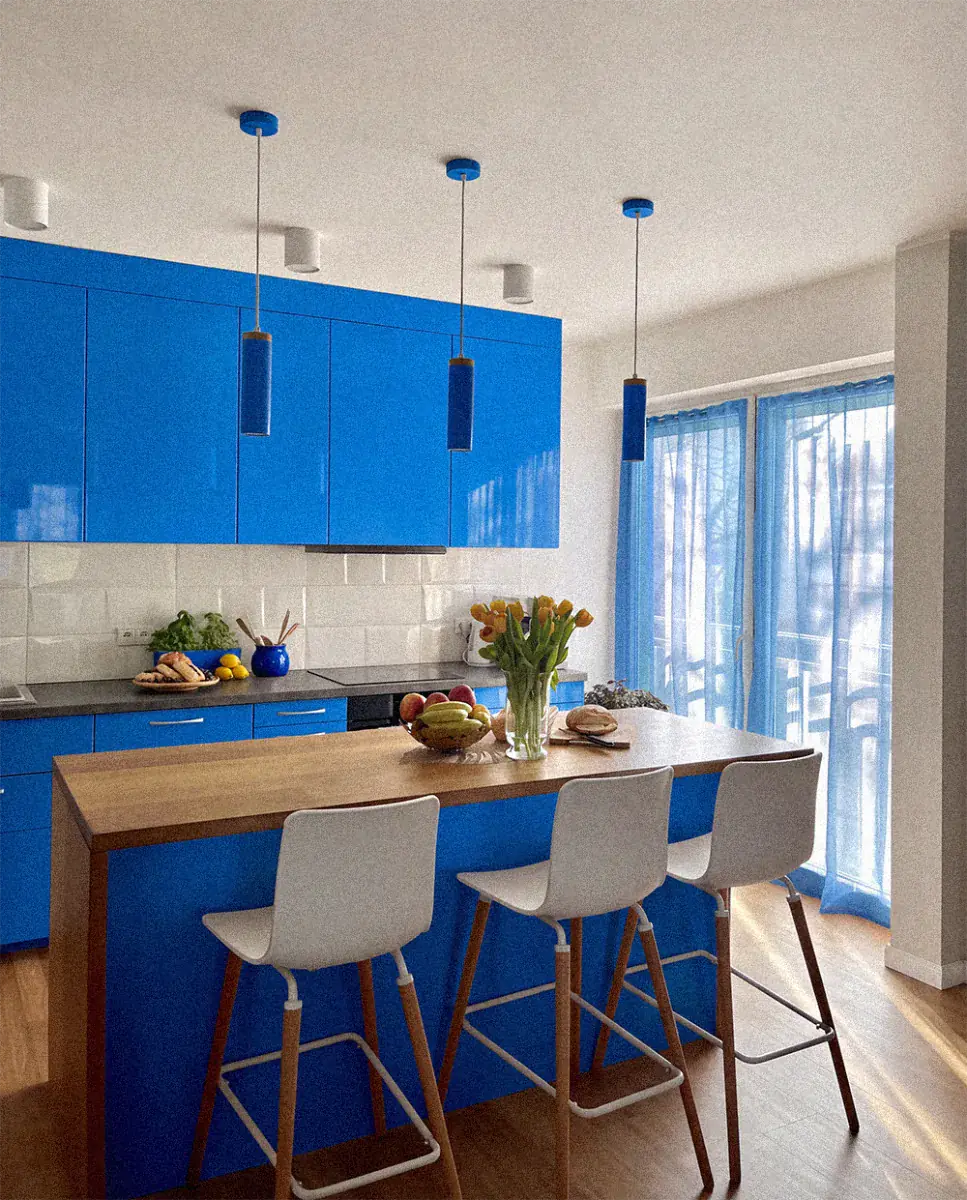
Hotel bedroom with a blue upholstered headboard Bright serviced apartment interior in Athens Blue kitchen in a short-term rental apartment
8in-depth guides

How to use this page

Every guide stands on its own, so start wherever your question sits, the vocabulary if you are researching your first system, the software chapter if you are comparing vendors, the regional guides if you operate in a specific market.

Most hoteliers read two or three and stop. The reading paths below group them into short sequences for the situations we hear about most.

What the guides cover 10 guides
Systems & daily operations3 guides
Software categories3 guides
Rentals & new businesses2 guides
Regional & marketing2 guides
6,000+hoteliers using SabeeApp
70+ countries

Reading paths

Three routes through the library

Ten guides is a lot to face at once. These are the sequences we most often recommend, based on the questions hoteliers bring to our team.

Path 01 · First system

You are choosing hotel software for the first time

Start with the vocabulary, then narrow to the category that matches your property. By the end you should be able to walk into a demo knowing exactly which modules you need and which questions to ask about integrations.
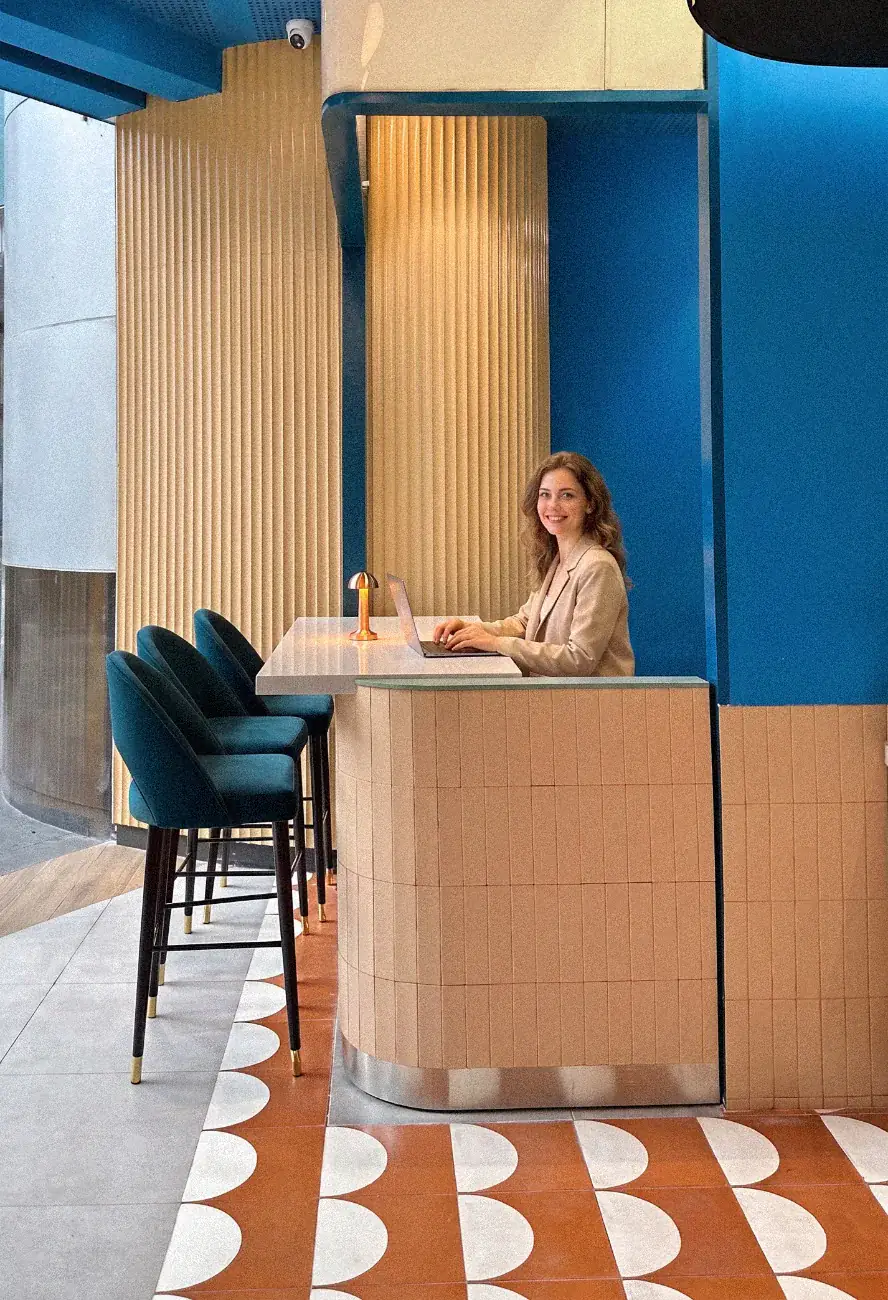

Receptionist working on a laptop at the front desk

Path 02 · Rentals & regions

You are launching or scaling short-term rentals

Legal setup first, then the operating model, then the platform decisions that keep a growing portfolio manageable. If your properties are in Greece, add the regional PMS guide; if they are in Hungary, start with the launch guide.

A third path, filling the rooms, runs entirely through the Hotel Marketing Hub, starting with guest segmentation and the marketing strategy guide, then moving to SEO, metasearch and reputation management.

10
long-form guides in this library
70+
countries where SabeeApp is in daily use
8
languages our support team works in

About SabeeApp

Guides written by the people who build the software

SabeeApp is an all-in-one hotel management software company based in Budapest, serving independent hotels, hostels, apartments and vacation rentals in 70+ countries since 2013. Every guide here comes out of that work.

  • Top 3 hotel management system, 2026 HotelTechAwards
  • 70+ OTA connections on one live inventory
  • Rated 4.8 on Hotel Tech Report by verified hoteliers
SabeeApp 4WARD hospitality event audience

Talk to us

See how SabeeApp fits your property

Every hotel manages operations differently. Talk with our hospitality experts and find the right setup for your property's workflows.

FAQ

Hotel systems, answered

A property management system is the operational core, rooms, reservations, housekeeping, invoicing and reporting. A guest management system focuses on the guest record: profiles, preferences, communication history, check-in details and consent. In a modern platform the two are not separate purchases; the guest layer sits on top of the PMS so front desk staff see one profile rather than several partial ones.

No. The reservation system holds and manages availability, rates and bookings from every source. The booking engine is the guest-facing part on your own website that turns a visitor into a direct reservation. The booking engine writes into the reservation system, which is why they need to share one live inventory rather than sync on a schedule.

Hospitality software is the umbrella term for the systems accommodation providers use to run and sell their property: property management, channel management, booking engine, payments, guest communication, housekeeping and reporting. The important question is not which label a vendor uses, but which of these modules are genuinely built into one system and which are third-party add-ons.

Largely yes, with different emphasis. Rental operators lean harder on multi-platform calendar sync, automated guest messaging, remote check-in and cleaning coordination, while hotels need front desk workflows, room-level operations and on-property billing. A platform built for both handles the shared core, inventory, rates, payments, and lets you switch on what your property type actually uses.

Start with the system that holds your inventory, the PMS and reservation system, because everything else connects to it. Channel manager and booking engine come next, since they determine how bookings arrive. Payments, guest apps and marketing tools are valuable but easier to add once the operational core is stable.

Yes, and they matter more than most feature comparisons. Invoicing and tax reporting are regulated locally, myDATA and AADE in Greece, NTAK and the online invoicing rules in Hungary, tourist tax and guest registration requirements elsewhere. Any system you shortlist should already support compliance in your market rather than promise it as a roadmap item.

Fewer, chosen well, beats everything at once. Most properties get the majority of their OTA volume from two or three channels that suit their market and guest mix, plus direct bookings. SabeeApp supports 70+ OTA connections on one live inventory, so the constraint is your commercial strategy rather than the technology.

It is hospitality software framed for hosts with multiple listings. The job is the same: keep calendars and rates synchronised across Airbnb, Booking.com and your own site, automate guest messaging and cleaning, and produce reporting per property. Once a host passes a handful of listings, manual dashboard management becomes the main source of double bookings.

Operations software determines what you can sell and how reliably you can deliver it; marketing determines whether anyone books. The two connect through data, segmentation, channel performance and booking patterns all come out of your PMS. Our Hotel Marketing Hub covers that side in depth, from SEO and metasearch to reputation management.

For most independent properties, migration is measured in days rather than months: setting up rooms and rate plans, reconnecting channels, importing existing reservations and training the team. The realistic planning question is not implementation length but who owns the switch internally and when your quietest period falls.